
OUR HISTORY
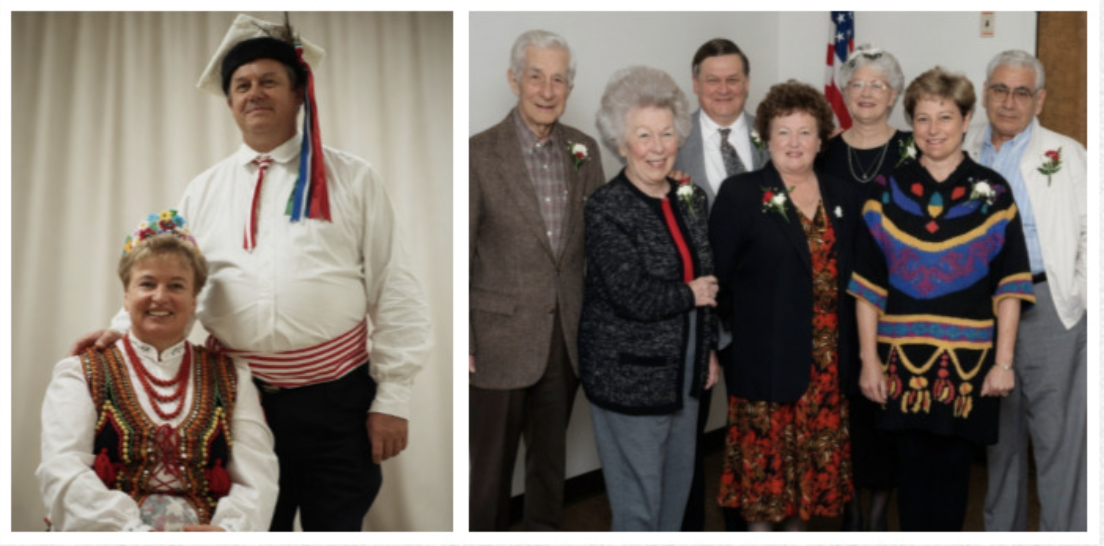
A Legacy of Heritage, Community, and Care
As Poland’s situation evolved, so did the organization. Renamed the “Polish-American Club,” its mission expanded from humanitarian aid to preserving and celebrating Polish heritage across the Triangle. Through festivals, concerts, language programs, scholarships, and cherished traditions such as Wigilia, Ostatki, and Polish Mass, the Club became a vibrant cultural cornerstone for generations.
For more than four decades, the Polish-American Club of the Triangle has brought people together through service, culture, and community. From its humanitarian beginnings to today’s cultural, educational, and social activities, the Club continues to honor its roots while creating new traditions and connections for future generations of Polish Americans in North Carolina.
The Polish-American Club of the Triangle was born out of compassion during a time of crisis. In 1981, as Martial Law was declared in Poland, a small group gathered at St. Raphael Church in Raleigh to provide aid and support. What began as “Carolina Aid to Poland” quickly grew from a handful of volunteers into a formally incorporated organization, bringing the Polish community together around a shared mission of service.
Jan & Danuta Adam, Marie Best, and Ann Robaczewski were among the founders of Carolina Aid to Poland. Marie Best served as the organization’s first President, with Ann Robaczewski as Secretary. In its early years, the group organized fundraisers, collected donations, and sent critical aid to Poland, while also helping Polish refugees arriving in North Carolina find stability, opportunity, and a sense of belonging.
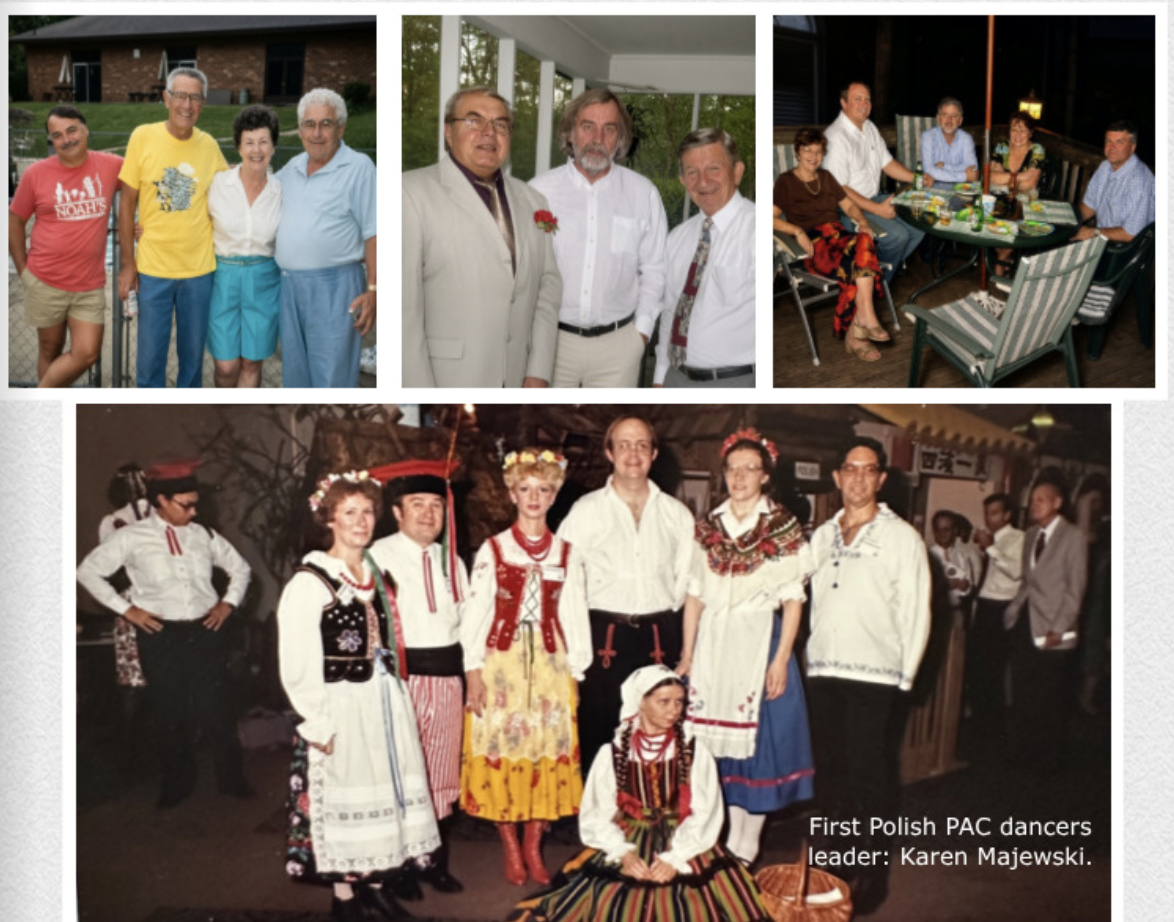
OUR JOURNEY: 1981–PRESENT
1981 — A call to action
The story of the Polish-American Club of the Triangle began in October 1981, when a small group of people gathered at St. Raphael Church in Raleigh in response to the growing crisis in Poland. Among those involved in these early efforts were Jan and Danuta Adam, Marie Best, and Ann Robaczewski.
On December 13, 1981, Martial Law was declared in Poland, dramatically increasing the urgency of humanitarian relief efforts. Just two days later, on December 15, the group formally established “Carolina Aid to Poland.” The newly formed organization already had 28 members, united by a common goal of helping people in Poland during this difficult period.
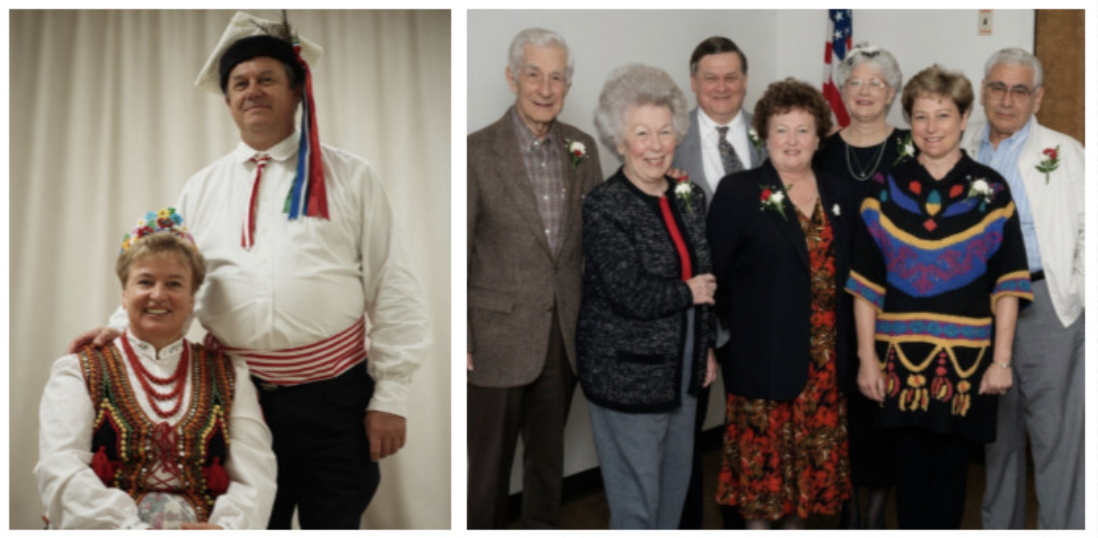
1982 — Building a Foundation
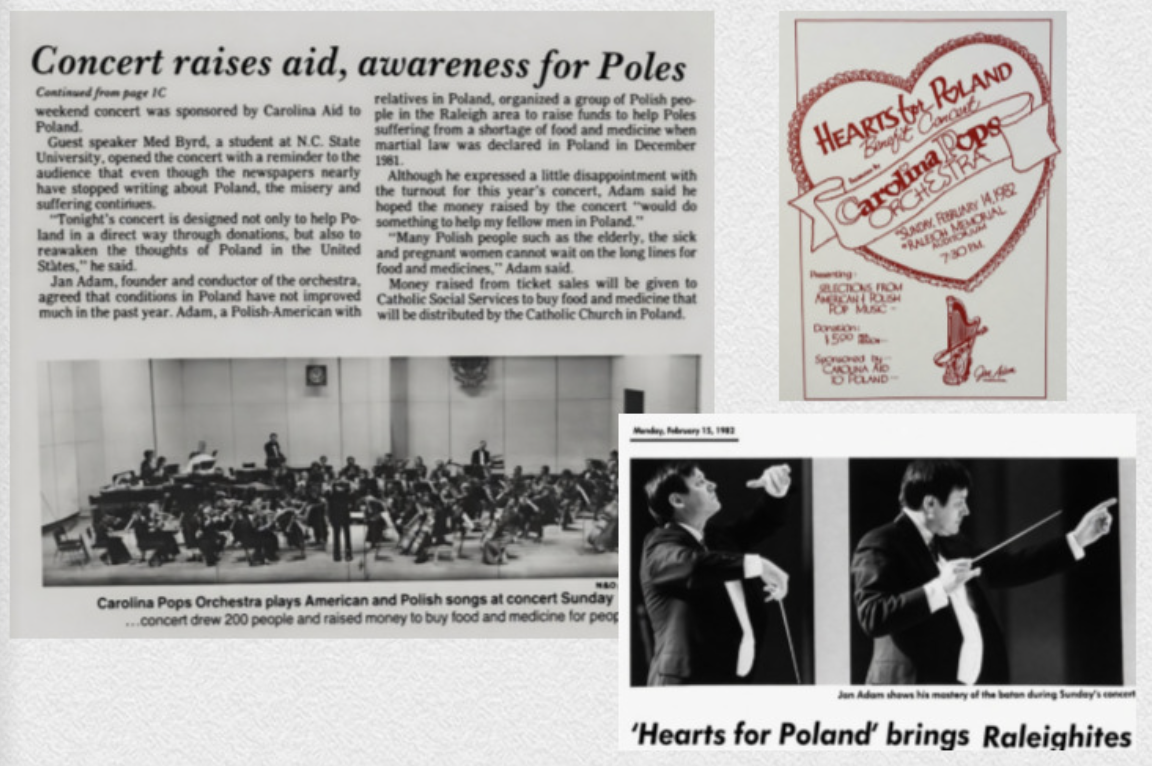
In 1982, Carolina Aid to Poland was formally incorporated in North Carolina, establishing a strong foundation for the organization’s future work. Its first major fundraising efforts raised nearly $3,000 to support its humanitarian mission.
One of the year’s most significant events was the “Hearts for Poland” benefit concert, performed by the Carolina Pops Symphony. Jan Adam, one of the founders of Carolina Aid to Poland, was also the founder and conductor of the orchestra.
The organization also began welcoming and supporting the first Polish refugees arriving in Raleigh. Among the first families and individuals assisted were Artur Wozniak, Stanislaw Alicki, the Ochman family, Krystyna Piedel, Agnieszka Jarzyna, and the Wolicki family.
By September 1982, the organization’s mission had begun to expand beyond its original humanitarian focus. Reflecting this broader role in the Polish community, Carolina Aid to Poland was renamed the “Polish-American Club.”
1983–1985 — Growing Community
Between 1983 and 1985, the Polish-American Club continued to grow while expanding its cultural, educational, and community programs. During this period, the Club established a scholarship program and began organizing a monthly Polish Mass, helping members maintain a strong connection to their faith and Polish heritage. Traditional celebrations, including Święconka and May 3rd festivities, also became an important part of Club life.
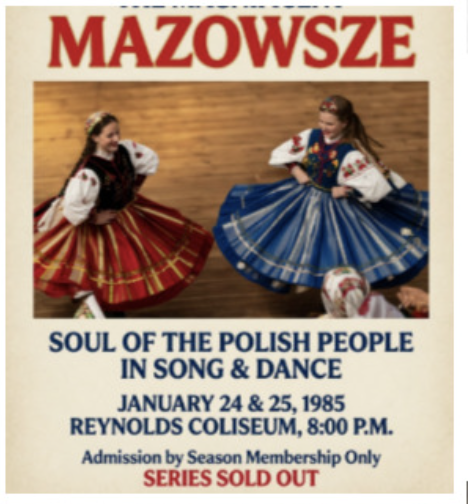
In January 1985, the Club had the honor of hosting Mazowsze, the renowned Polish Dance Company, bringing an important expression of Polish culture and tradition to the local community.
The Club also remained committed to helping Polish families in need. Its humanitarian efforts during this period included providing medical assistance for a four-year-old boy from Poland who needed surgery at Duke, continuing the spirit of service on which the organization had originally been founded.
1985–1987 — Expanding Cultural Activities
Between 1985 and 1987, the Polish-American Club continued to strengthen its cultural presence in the Triangle. Social traditions became an increasingly important part of Club life, with dinners that also served as fundraisers, community gatherings, and celebrations bringing members together while supporting the organization’s activities.
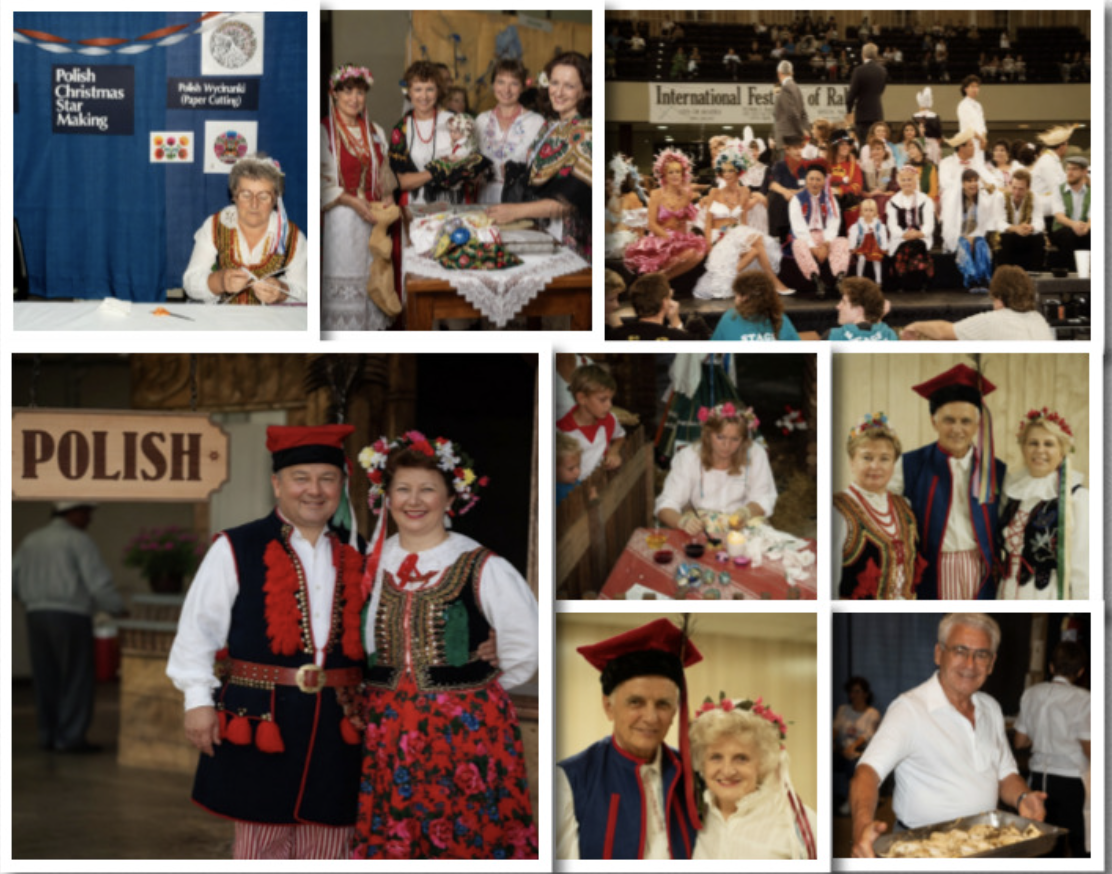
In October 1986, the Club was among the founding participants of the first Raleigh International Festival, marking an important step in sharing Polish culture and heritage with the broader community. Sandra Stuckey served as the coordinator of the Club’s participation.
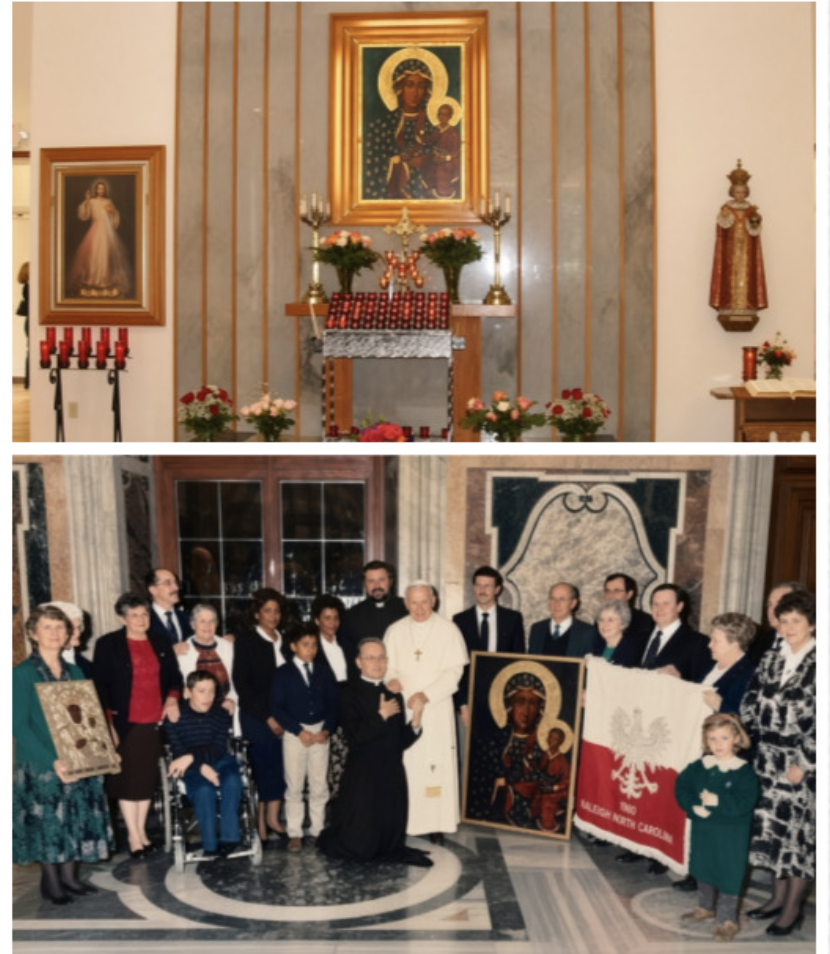
In 1987, a replica of the icon of Our Lady of Częstochowa, the “Black Madonna,” was brought to Raleigh by Jan Adam and enshrined at St. Joseph Church. Piotr Nowak led the fundraising efforts for the shrine, while Adam Grygoruk designed it. The shrine became another lasting expression of Polish faith, heritage, and community in Raleigh.
1988–1989 — Compassion in Action
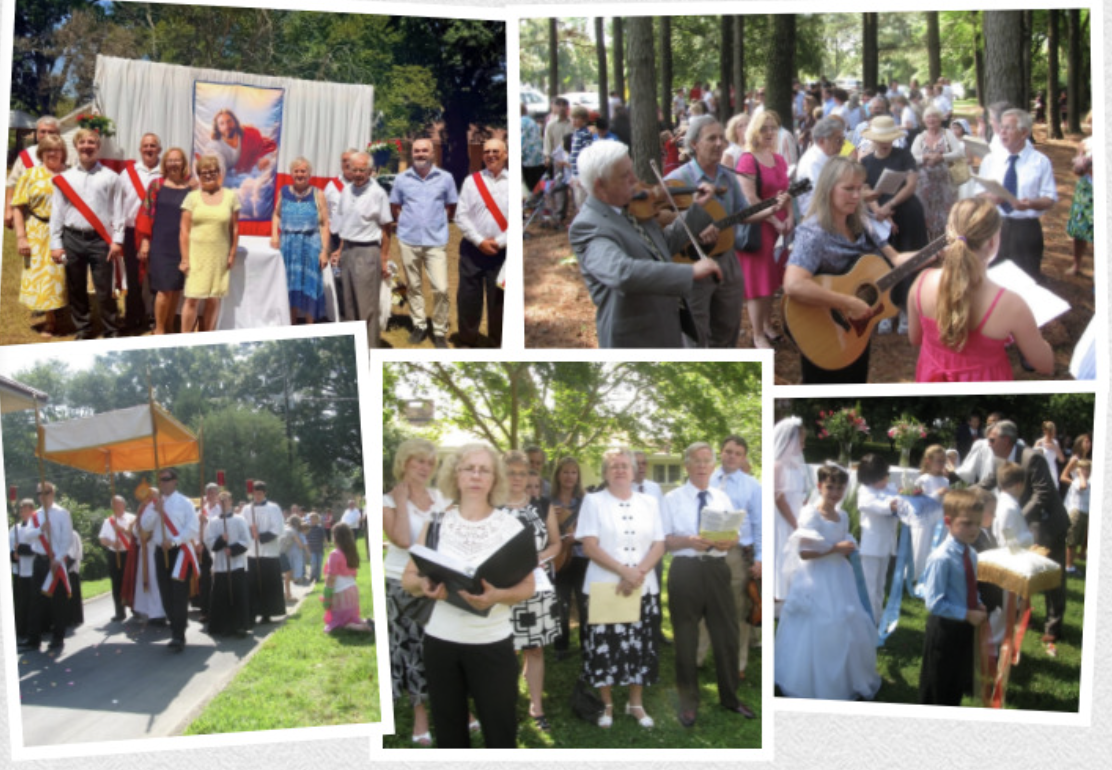
Between 1988 and 1989, the Polish-American Club continued to demonstrate the spirit of compassion and mutual support that had been at the heart of the organization since its founding. The community came together to help those in need, including local Polish immigrants, providing support and strengthening connections among Polish families in the area.
At the same time, cultural trips and religious celebrations provided opportunities for members to spend time together, celebrate their shared heritage and traditions, and build stronger bonds within the growing Polish community.
1990–1993 — Education & Cultural Impact
Between 1990 and 1993, the Polish-American Club expanded its educational programs and strengthened its role in bringing Polish culture to the wider North Carolina community.
In 1990, the icon of Our Lady of Częstochowa was blessed in Rome by Pope John Paul II, adding special significance to the image that had become an important symbol for the Polish community in Raleigh.
In 1991, the Club launched Polish language classes for both adults and children under the leadership of Hania Gracz. Her outstanding work was later recognized by Władysław Bartoszewski of the Polish Foreign Ministry, highlighting the importance of these educational efforts in preserving Polish language and heritage.
In May 1993, the Club organized the Polonaise Ball in Raleigh, a major cultural event marking the opening of “The Naked Soul” exhibition at the North Carolina Museum of Art. The exhibition featured 46 paintings from the National Museum of Poznań. PAC President Włodek Wiktor and Vice President Gerald Kochan served as coordinators of the event.
During this period, the Club also developed its collaboration with the North Carolina Museum of Art and international exhibitions, further expanding the presence and visibility of Polish art and culture in North Carolina.
1993–2002 — Sustaining Traditions
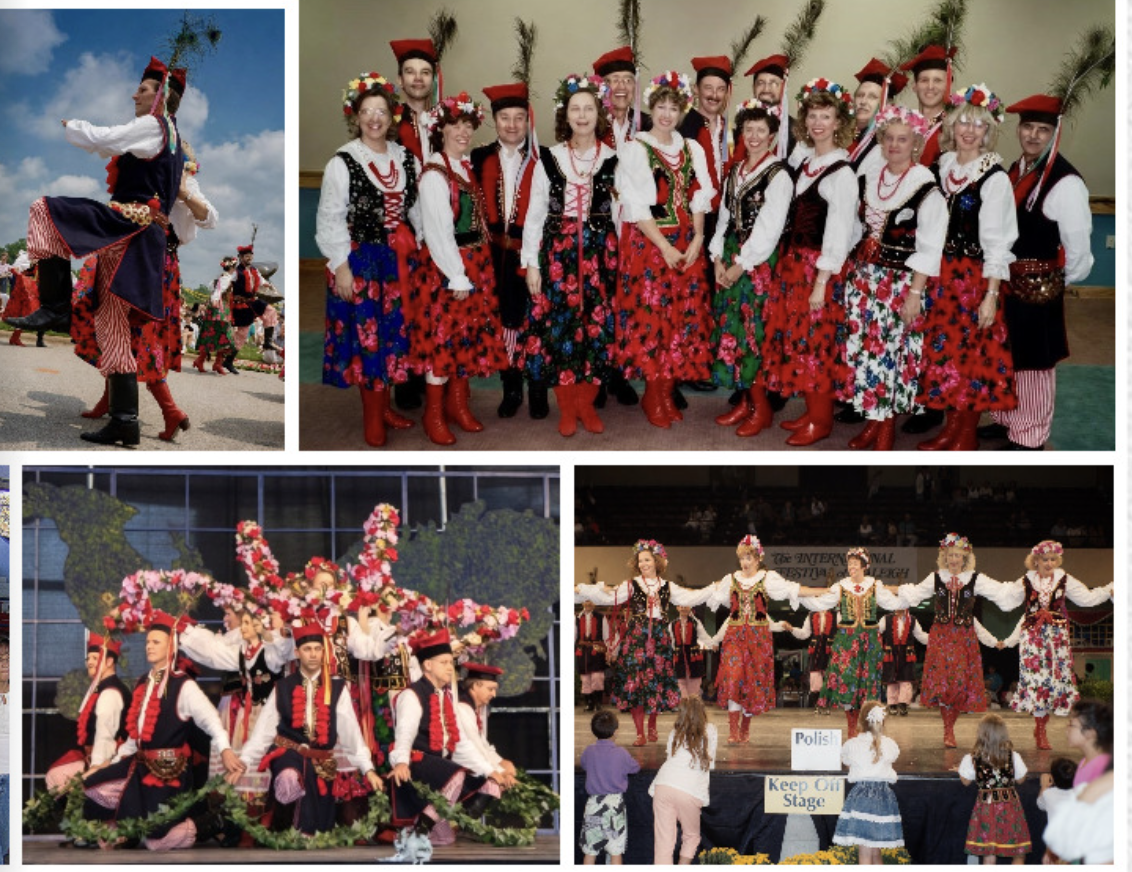
Between 1993 and 2002, the Polish-American Club continued to strengthen the traditions that had become an important part of community life. Annual celebrations such as Majówka, Ostatki, Ognisko, Sylwester, and Wigilia brought members together throughout the year and helped preserve Polish customs for new generations.
The Club also organized cultural trips throughout the United States, giving members opportunities to explore Polish heritage and cultural connections beyond North Carolina.
PAC remained committed to its tradition of helping others by supporting Polish institutions and charitable causes. Among the organizations receiving support was the School for the Blind in Laski, Poland.
During these years, the Club continued to grow significantly, with membership reaching more than 120 families, reflecting the strength and vitality of the Polish community in the Triangle.
2002–2004 — Celebrating Community & Milestones
Between 2002 and 2004, the Polish-American Club continued to promote Polish culture and strengthen its presence in the broader North Carolina community.
During this period, PAC participated in the “Meet Our Neighbors from Poland” event at the Exploris Museum, providing an opportunity to introduce visitors to Poland and Polish culture.
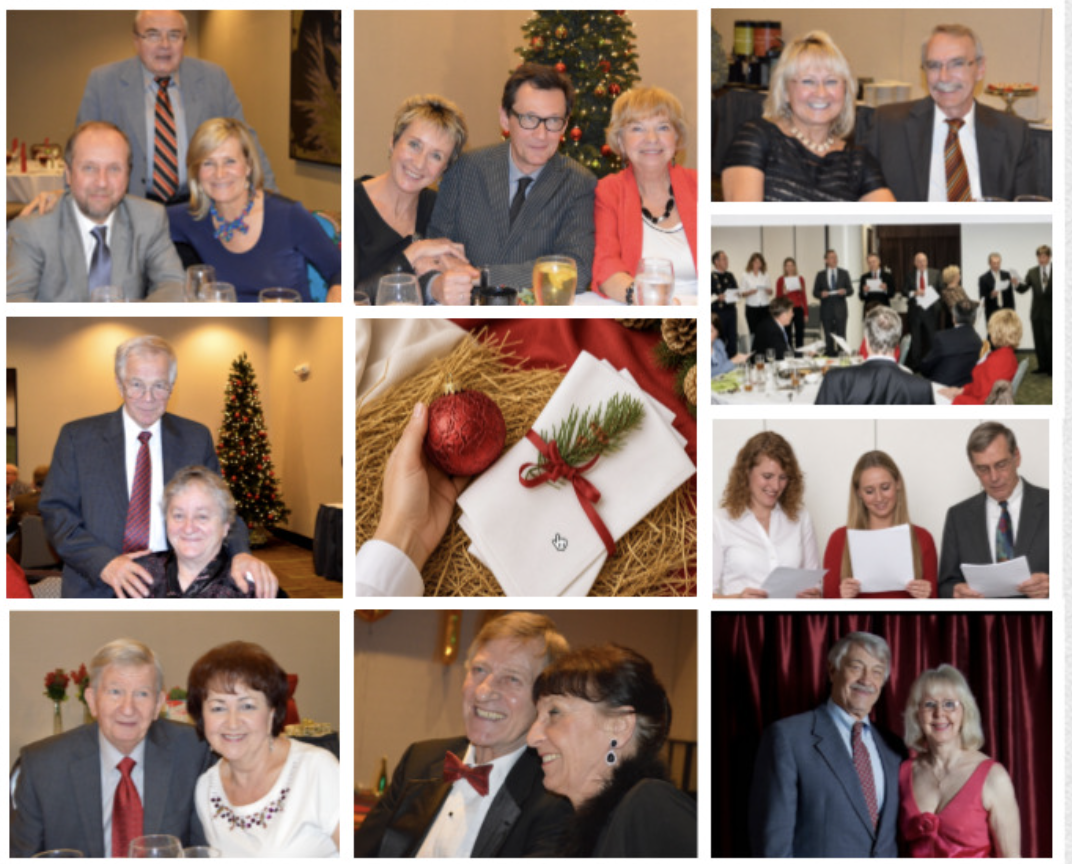
The Club also celebrated an important milestone with its 20th Anniversary Dinner and Dance, bringing members together to recognize two decades of community, friendship, and Polish traditions in the Triangle.
2004–2010 — Sharing Culture with the Community
Between 2004 and 2010, the Polish-American Club expanded its efforts to share Polish culture, traditions, and heritage with the wider Triangle community.
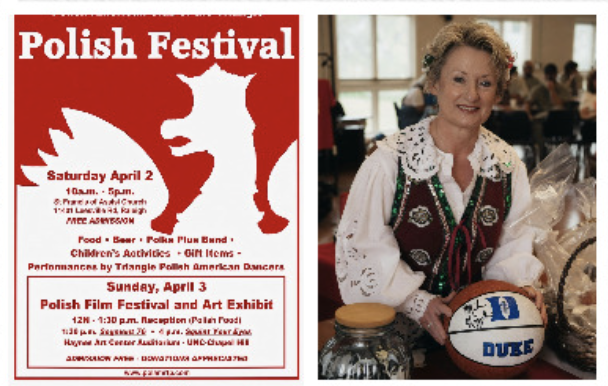
In 2004 and 2005, PAC organized Polish Festivals, with the first held in Chapel Hill and the second at St. Francis Church in Raleigh. Małgosia Federkiewicz served as the coordinator of these events, which created opportunities for the local community to experience and celebrate Polish culture.
During this period, the Club also launched a Polish Film Festival, which continued for the following two years, providing another way to introduce Polish culture and cinema to audiences in North Carolina.
In 2008, an important long-term community project was completed with the completion of the Shrine of Our Lady of Częstochowa, further strengthening the Club’s connection to Polish religious and cultural traditions.
2012—2015 — Celebrating 30 Years & Strengthening the Club
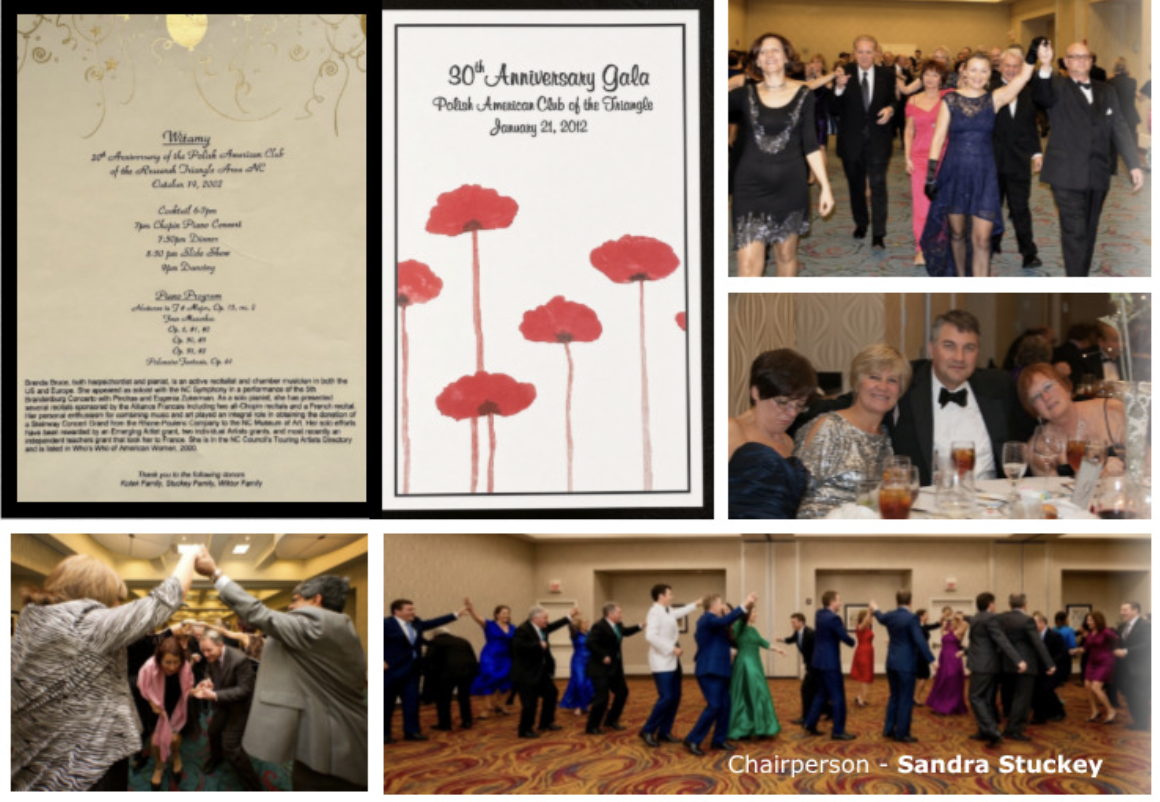
In 2012, the Polish-American Club celebrated its 30th anniversary, bringing together generations of Club members and friends to recognize three decades of Polish heritage, friendship, and community in the Triangle.
That same year, Piotr Gucwa created the Club’s website, polamrtp.com, giving PAC a new way to communicate with its members, share information about activities and events, and connect with the broader community.
In 2015, the Club took an important administrative step by applying for reinstatement of its nonprofit and tax-exempt status, helping strengthen the organization’s foundation for the future.
Present — Honoring the Past, Building the Future
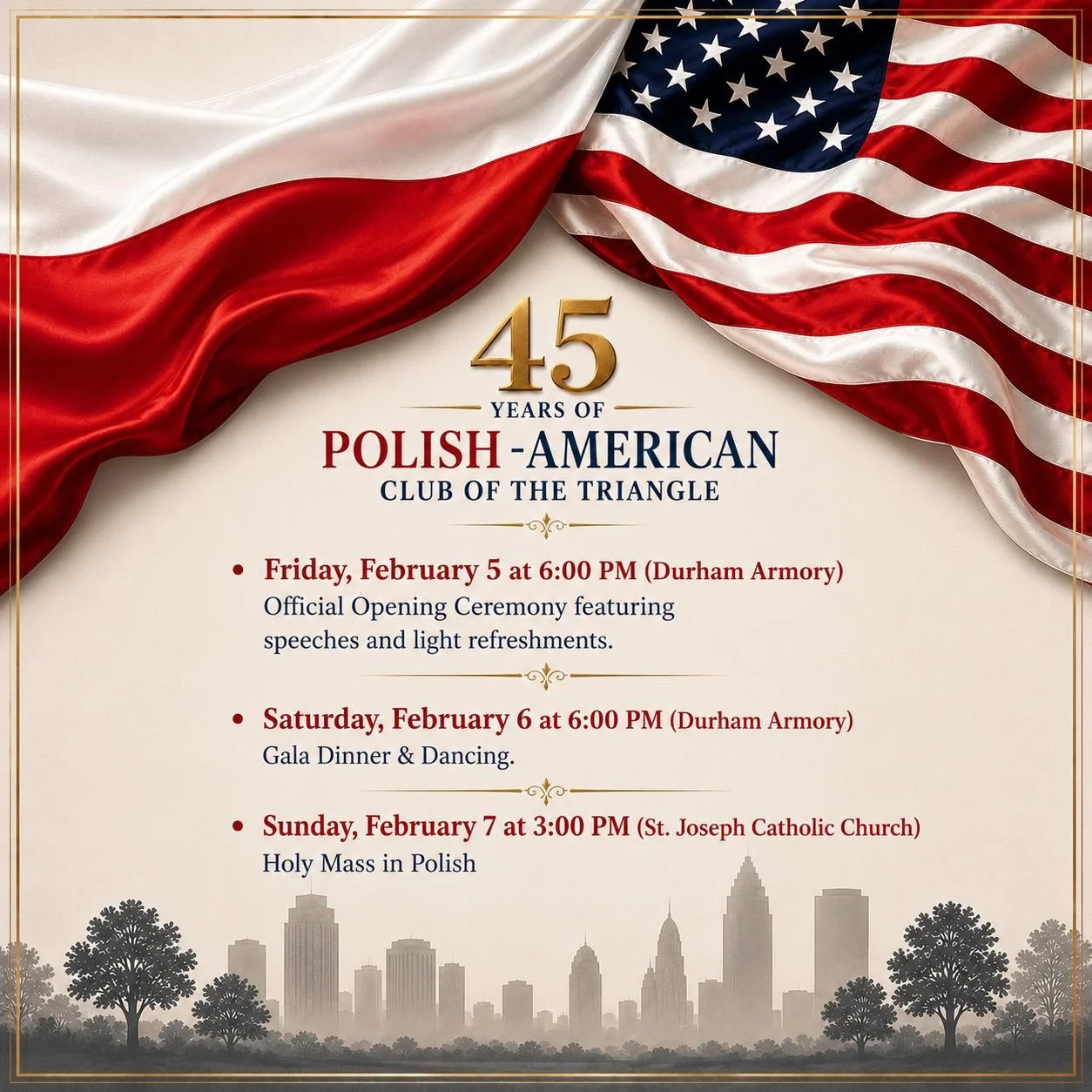
Today, the Polish-American Club of the Triangle continues to grow through cultural events, educational programs, community activities, and new initiatives that bring generations together. As PAC approaches its 45th anniversary, the Club remains committed to celebrating Polish heritage, strengthening community connections, and carrying its traditions into the future.
HISTORICAL ARCHIVES
Explore documents, photographs, presentations, and other materials preserving the history of the Polish-American Club of the Triangle.
PAC History Presentation
https://docs.google.com/presentation/d/1RM-sccW08MAjVtO99K1QuvCDeSWErNm020kYzNX1Az8/view
PAC Website Archive (2011–2018): https://polamrtp.blogspot.com